

Ensuring the Integrity of Low-Pressure Vessels: Lessons from the Yenkin-Majestic Incident In this short article, I dive into the catastrophic failure at the Yenkin-Majestic resin plant, where poor design, inadequate pressure testing, and a failure to adhere to crucial safety codes led to a tragic explosion. This incident highlights the critical importance of ensuring that even low-pressure vessels are designed …

Navigating Temporary Repairs: Risks and Compliance Essentials Post Construction Codes (PCCs) API 510/570/653 define these as temporary repairs but a feature of ASME PCC-2 is that it provides technical details and leaves the user to decide themselves. What is temporary? There’s no agreed definition of temporary. The nearest is from API codes as ‘to the next maintenance/replacement opportunity’. Temporary …
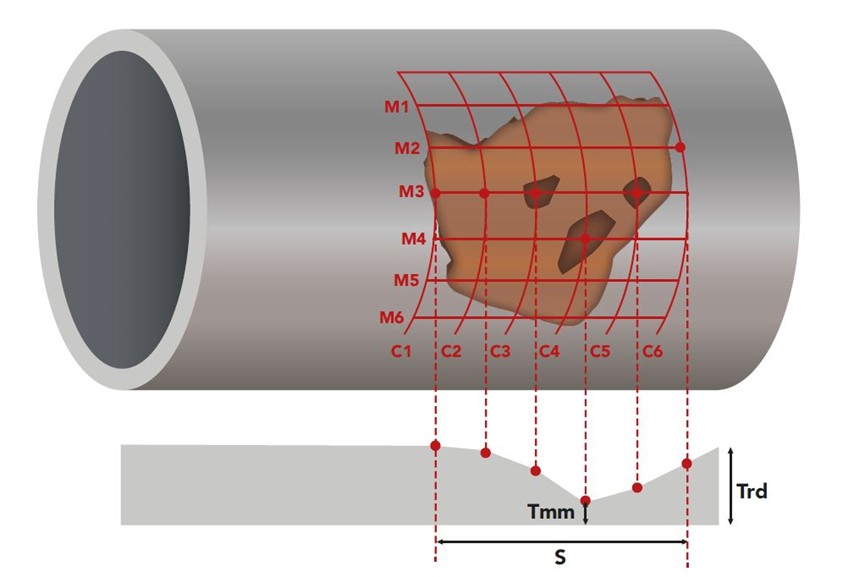
FITNESS FOR SERVICE ASSESSMENTS (FFSAs) R-R-R-R DECISIONS We see lots of FFSAs during our training and consultancy activities at WILKINSON COUTTS. With the best of intentions, things sometimes get more complicated than they need to be. Let’s simplify things…. There are only possible output decisions of a FFSA, as shown in table 1 below; Run (as-is) Re-rate Repair Replace …

What is Patina? Patina is a layer of corrosion that forms on the surface of metal objects, particularly those made of copper, brass, bronze, and other metal alloys. Patina is formed by a combination of chemical and physical processes, including oxidation, corrosion, and the accumulation of pollutants and other substances on the metal surface. Patina can have a variety of …
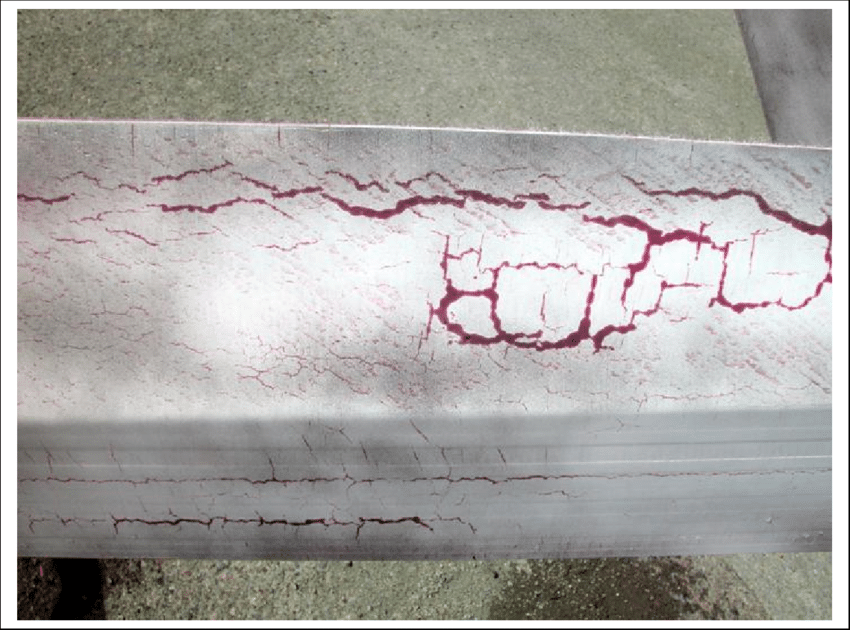
Chloride Stress Corrosion Cracking (SCC) is a type of corrosion that can occur in metal alloys, especially in those that are used in corrosive environments. It occurs when metal components are exposed to both tensile stress and chlorides, forming cracks in the material. The damage caused by Chloride SCC can be severe and can result in material failure, leading to …
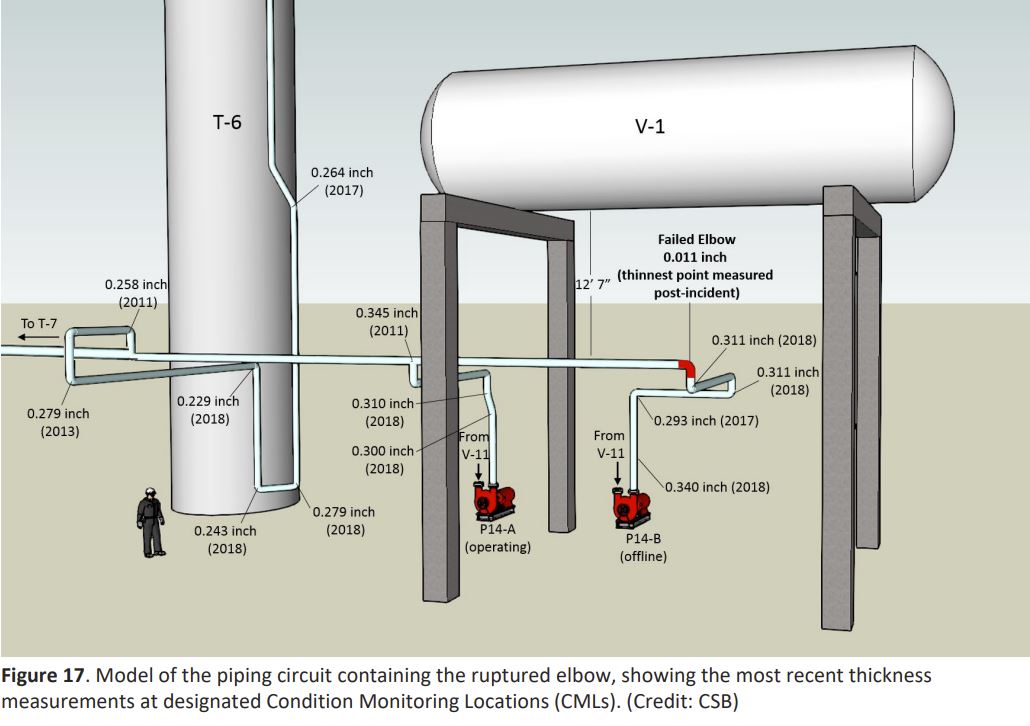
HF Damage Mechanisms – the threat to your assets. The US Chemical Safety and Hazard Investigation Board have issued the final report on a significant fire and related explosions that occurred in June 2019 at the Philadelphia Energy Solutions (PES) Refinery in Philadelphia, Pennsylvania (CSB). The cause of the accident, which shut down a refinery that could produce …

Living with weld defects comes as a surprise to many. Construction codes (ASME, EN etc.) are based on years of experience and contain acceptance criteria for materials, design, fabrication, testing and certification. A construction code is not specifically to produce fitness-for-service. Surprised? Here are some examples of when a code-compliant vessel may not be fit-for-service. – The materials …
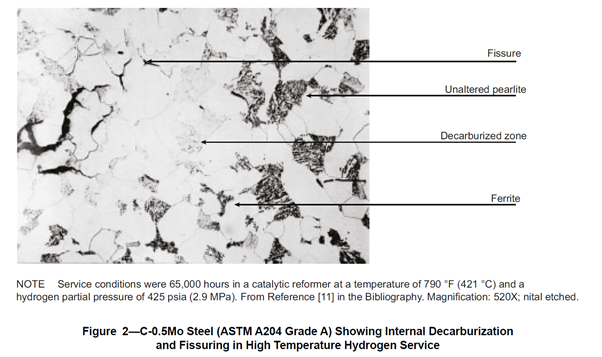
HTHA – A serious threat to pressure equipment integrity. Covered extensively in our API 571 Training Course, we’re often asked about HTHA. When carbon steel is used to manufacture pressure equipment for hydrogen-containing (gaseous or liquid, even when it is a constituent portion of a fluid) service, the service conditions should be limited to avoid High-Temperature Hydrogen Attack (HTHA). …

Integrity Matters – New asset integrity magazine Coming in April 2022! We are introducing the NEW magazine for asset integrity professionals and pressure equipment stakeholders. Welcome to ‘Integrity Matters’. Keep abreast with the latest integrity safety alerts worldwide, new approaches to asset integrity, the latest NDE methods, relevant industry news, integrity job boards, technical tuition and much more. Our vision …

Fitness For Service – Local Metal Loss Level 1 Assessment. Part 3 of our 3 part series takes a look at the assessment of local metal loss. As we discussed in Part 1, there is strictly no definition of what constitutes local metal loss compared to general, so the accepted rule of thumb is to start with a Part 4 …