
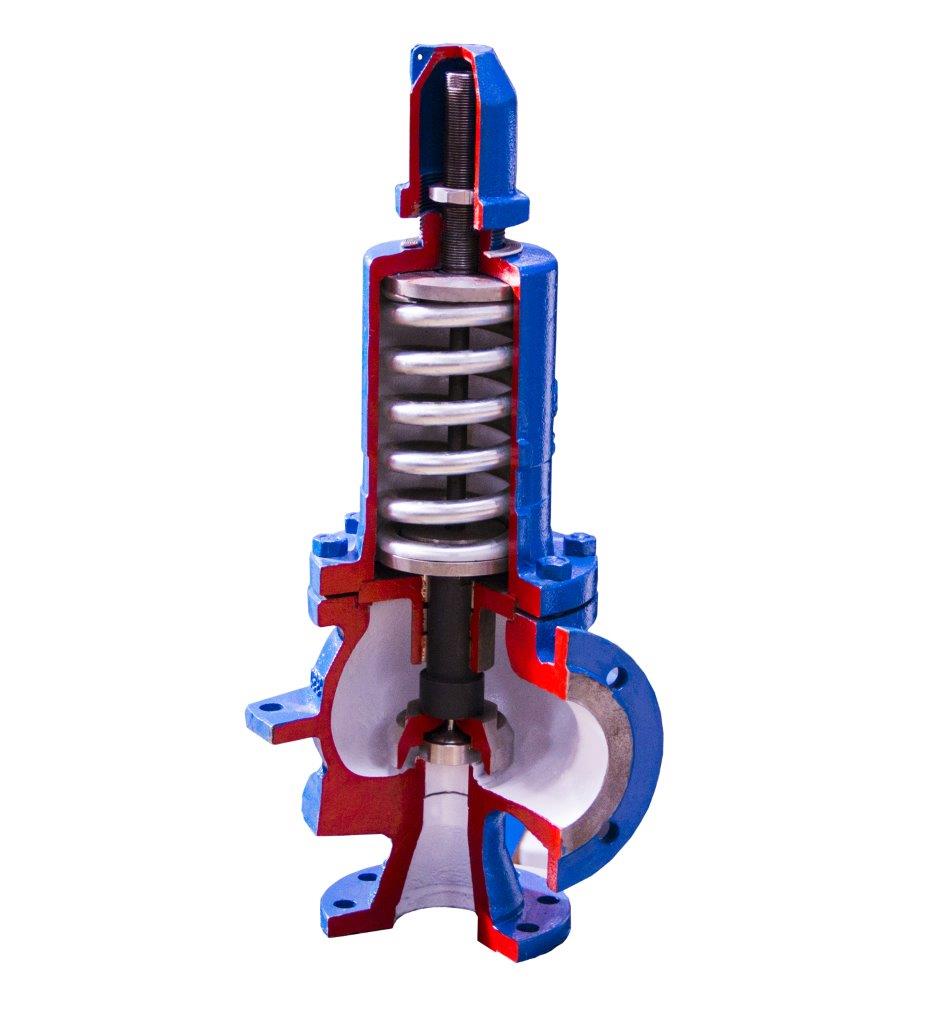
Pressure Relief Valves – Pressure equipment requires protection from over pressurisation. A common way to protect vessels is the installation of a pressure relief valve. A pressure relief device is actuated by inlet static pressure and designed to open during an emergency or abnormal conditions to prevent a rise of internal fluid pressure above the specified design value. This device …

Calculating Branch Connections: ASME B31.3 Para. 304.3.2 – Whenever a branch is added to the main pipe run (header) an opening is created by the removal of a predetermined amount of metal. We use Branch Connections: ASME B31.3 Para. 304.3.2 to consider the design. The header pipe is weakened as the metal removed is no longer there to resist the …

What is stress? Introduction In the most simplistic term, stress is simply a force divided by area. The most common unit we see in pressure equipment codes and standards is pounds per square inch (psi) for those that like imperial (and let’s face it, not many do). Or if you like to use SI units (metric) then we will often …
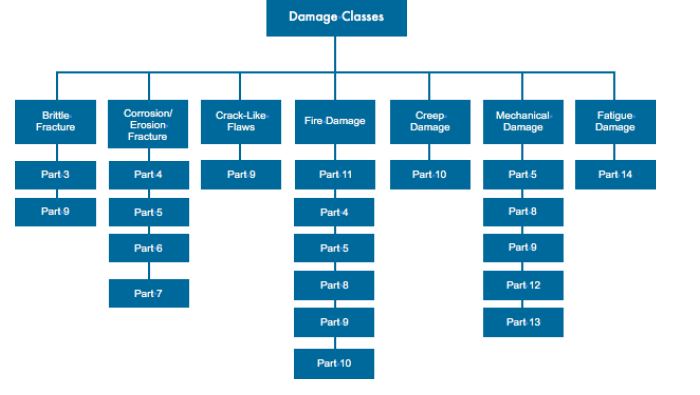
What is fitness for service? Fitness For Service (FFS) assessments are a set of methods that use quantitative data to determine if a degraded component is fit for continued service at the current operating parameters and to establish the useful remaining life of the component. Some case examples are found in this research paper. It is an analysis that …
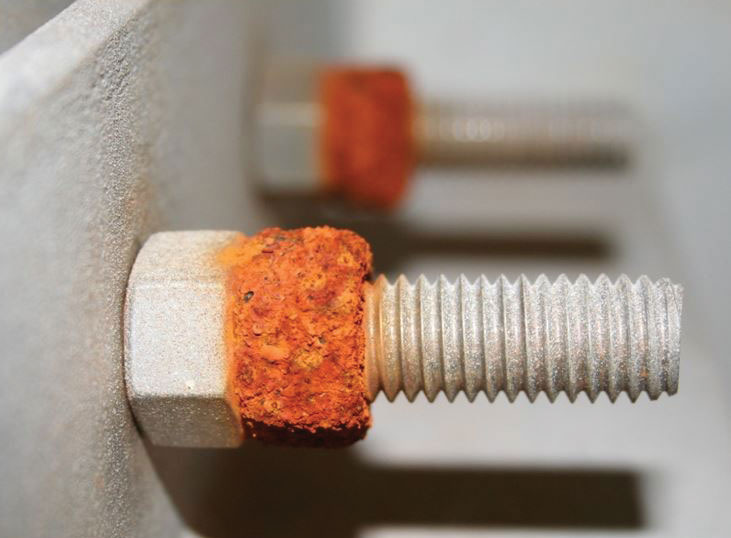
Corrosion Basics Part 1 Salt is bad for your health! – Corrosion basics Definition: Corrosion is the degradation of a metal by its environment–it literally means to “eat-away”. Most metals do not naturally occur as a pure metal. In their natural state, they exist in the form of oxides. These metal oxides (or other metal compounds) must be refined to …
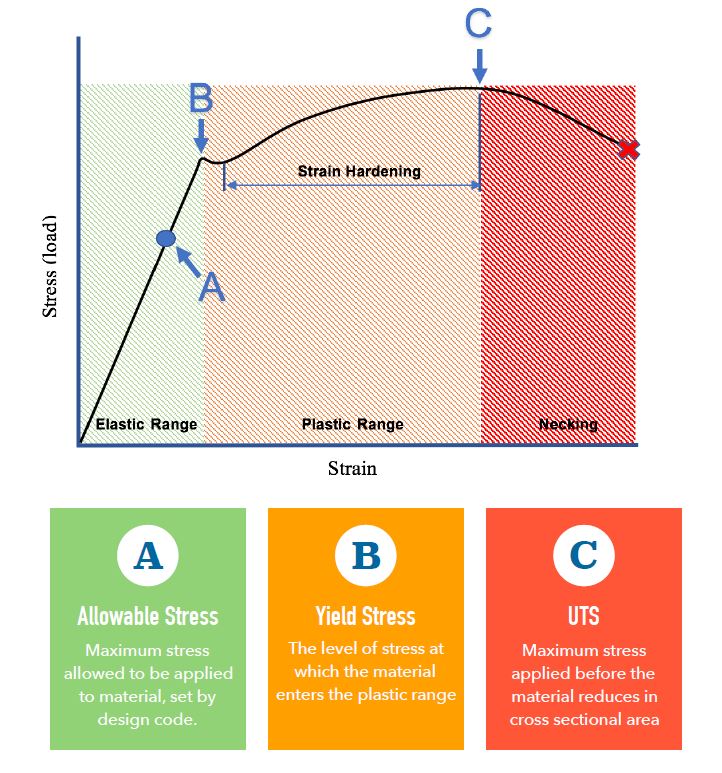
Allowable Stress – What’s it all about? Find out here. The tensile test is used to establish the tensile strength of steel. If a tensile force is applied to a steel bar it will have some extension. Up to the yield point, stress and strain will remain proportional, signified by the straight line in Fig. 1. Not all steels have …

Ductile- brittle transition temperature (DBTT) (Unit K) The temperature below which materials, in laboratory tests at least, are brittle, and above which they are ductile. Body-centred cubic transition metals (such as ferritic steels) are brittle below temperatures of about 0.1 Tm and non-metals and intermetallic compounds below 0.5 Tm where Tm is the absolute melting point. Face-centre cubic materials (such …

NEW! API 579 Fitness For Service eLearning – WILKINSON COUTTS WORD(S) OF THE DAY Following on from the announcement yesterday of our NEW API 579 Fitness For Service ELEARNING training course, today’s Engineering Word of the day has to be…. ‘Damage’ 1. The deterioration of a component or structure in fault or accident conditions, reducing or preventing its ability to …

SOME NOT-SO-FAMILIAR ACRONYMS If you’re not that familiar with codes such as API and ASME you may be puzzled by some of the acronyms they use. Here’s a handy list from the WILKINSON COUTTS Plant Inspection Guide. ACoP Approved code of practice AI Authorised inspector (ASME) AST Atmospheric storage tank AUT Automated ultrasonic testing CDTP Cold differential test …

THE API SOURCE INSPECTOR FIXED AND ROTATING EQUIPMENT ROLE THE CURRENT TREND is for inspectors who perform their inspections in manufacturing works to be called Source Inspectors, rather than the old term of ‘shop inspector’ or ‘quality inspector’. The API Individual Certification Programme allows inspectors to become certified as an API Source Inspector for Fixed and Rotating Equipment. …