

Ensuring the Integrity of Low-Pressure Vessels: Lessons from the Yenkin-Majestic Incident In this short article, I dive into the catastrophic failure at the Yenkin-Majestic resin plant, where poor design, inadequate pressure testing, and a failure to adhere to crucial safety codes led to a tragic explosion. This incident highlights the critical importance of ensuring that even low-pressure vessels are designed …

FITNESS FOR SERVICE ASSESSMENTS (FFSAs) UNDERSTANDING THE FOLIAS FACTOR We like to keep things simple on our FFS training courses at Wilkinson Coutts. In FFS codes, the term shells describes pipes, vessels, and tanks collectively. The FOLIAS factor (M) is a critical component in assessing these shells. So, what is it? It’s just a stress concentration factor to acknowledge …

Navigating Temporary Repairs: Risks and Compliance Essentials Post Construction Codes (PCCs) API 510/570/653 define these as temporary repairs but a feature of ASME PCC-2 is that it provides technical details and leaves the user to decide themselves. What is temporary? There’s no agreed definition of temporary. The nearest is from API codes as ‘to the next maintenance/replacement opportunity’. Temporary …

What is Patina? Patina is a layer of corrosion that forms on the surface of metal objects, particularly those made of copper, brass, bronze, and other metal alloys. Patina is formed by a combination of chemical and physical processes, including oxidation, corrosion, and the accumulation of pollutants and other substances on the metal surface. Patina can have a variety of …
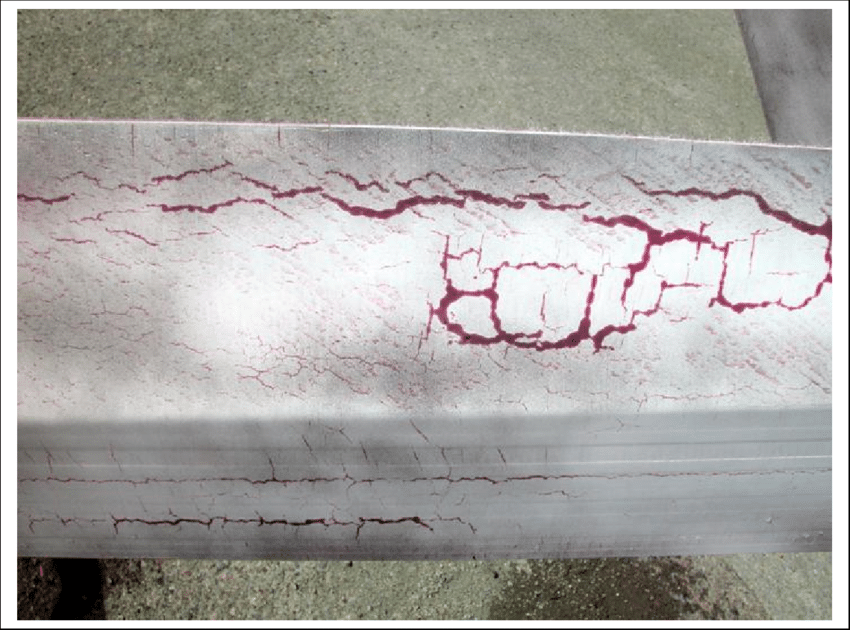
Chloride Stress Corrosion Cracking (SCC) is a type of corrosion that can occur in metal alloys, especially in those that are used in corrosive environments. It occurs when metal components are exposed to both tensile stress and chlorides, forming cracks in the material. The damage caused by Chloride SCC can be severe and can result in material failure, leading to …

When most hear the words Stress Corrosion Cracking (SCC), our minds immediately start thinking of Chloride induced SCC in stainless steels or Sulphide SCC. However, In March 2019, Step Change in Safety issued a Safety Alert about slightly less common phenomena of Methanol Stress Corrosion Cracking in Carbon Steels. The incident occurred on an outlet line from a …
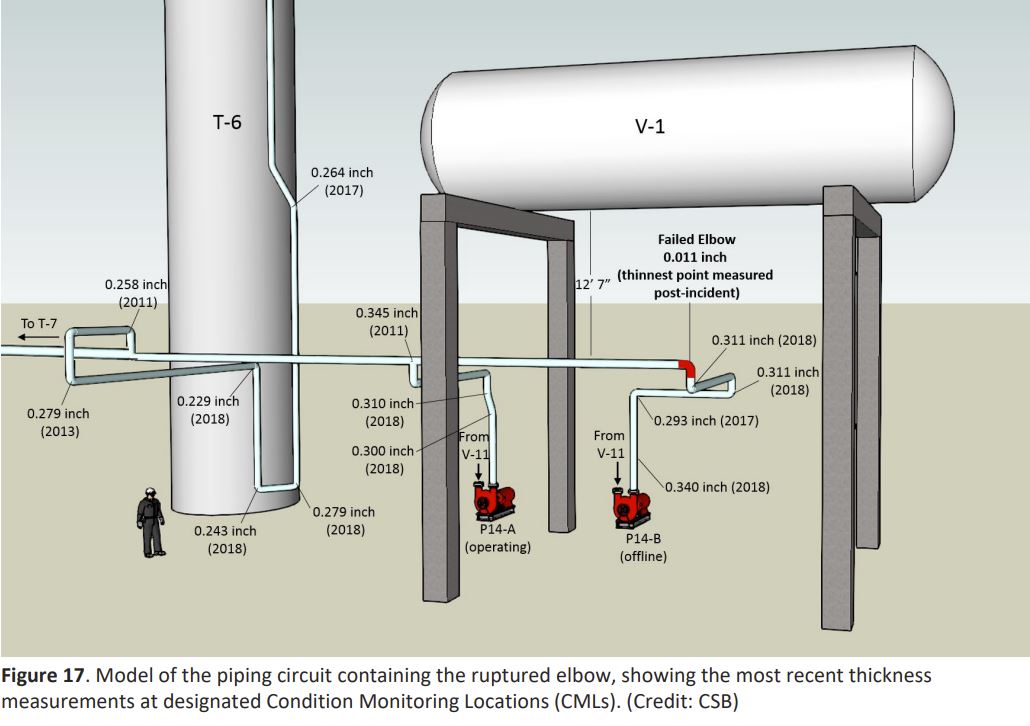
HF Damage Mechanisms – the threat to your assets. The US Chemical Safety and Hazard Investigation Board have issued the final report on a significant fire and related explosions that occurred in June 2019 at the Philadelphia Energy Solutions (PES) Refinery in Philadelphia, Pennsylvania (CSB). The cause of the accident, which shut down a refinery that could produce …

Living with weld defects comes as a surprise to many. Construction codes (ASME, EN etc.) are based on years of experience and contain acceptance criteria for materials, design, fabrication, testing and certification. A construction code is not specifically to produce fitness-for-service. Surprised? Here are some examples of when a code-compliant vessel may not be fit-for-service. – The materials …

The scholarship is back! As our last winners near the end of their training programme, we’ve decided to launch this successful programme again in 2023! The info is in the flyer, but anyone undertaking their ASME Plant Inspector Level 1 course in 2023, either via e-learning or classroom delivery, has the chance to win an incredible opportunity to enhance their …

LET’S SAY (just occasionally maybe) that some reports are not as good as they could be. You’ve paid for them (or someone has) and they just don’t give value for money. We’ve designed the Wilkinson Coutts REPORTING MASTERCLASS WORKSHOP to make your reports valuable. Join our 2-day public workshop. We take a maximum of 10 delegates so we can give everyone …