

Sometimes, A Little Change Is A Good Thing Fitness For Service Training – API 579/ASME FFS-1 – must be up there as one of the most comprehensive and helpful resources out there in the world of technical codes and standards. First published in January 2000 it provides the refining and petrochemical industry with various methods for the reliable …

Integrity Matters – New asset integrity magazine Coming in April 2022! We are introducing the NEW magazine for asset integrity professionals and pressure equipment stakeholders. Welcome to ‘Integrity Matters’. Keep abreast with the latest integrity safety alerts worldwide, new approaches to asset integrity, the latest NDE methods, relevant industry news, integrity job boards, technical tuition and much more. Our vision …

Fitness For Service – Local Metal Loss Level 1 Assessment. Part 3 of our 3 part series takes a look at the assessment of local metal loss. As we discussed in Part 1, there is strictly no definition of what constitutes local metal loss compared to general, so the accepted rule of thumb is to start with a Part 4 …
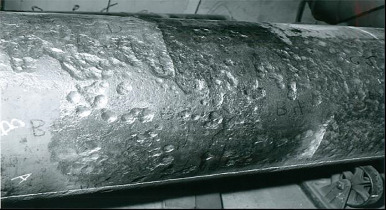
Fitness For Service – non-uniform metal loss. This is the second part in our 3-part Fitness For Service series for the assessment of metal loss using API 579 level 1 methodology. It’s best if you read Part 1 of the series first. Part 1 explains the difference between uniform and non-uniform loss, and addresses how to conduct a level …
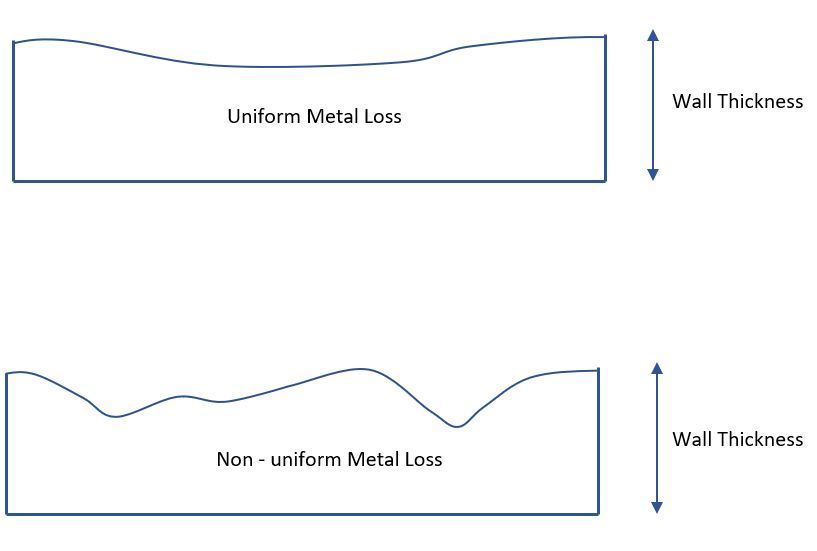
Fitness For Service General Metal Loss One of the most common damage classes (modes) found in static mechanical plant is metal loss. It can be caused by a number of damage mechanisms such as; -Atmospheric corrosion -Erosion -Sulphidation -Corrosion Under Insulation (CUI) -Microbiological Induced Corrosion (MIC) -Under Deposit Corrosion(UDC) -CO2 corrosion There are many more, and these can …

The phone rings, my taxi is here. I kiss my family goodbye. My 4 year old runs off to play with something as my impending absence is instantly forgotten about. Unicorns are obviously much more interesting. My wife with a 7-month-old in her arms wishes me a safe journey before closing the door and rushing off to see what that …
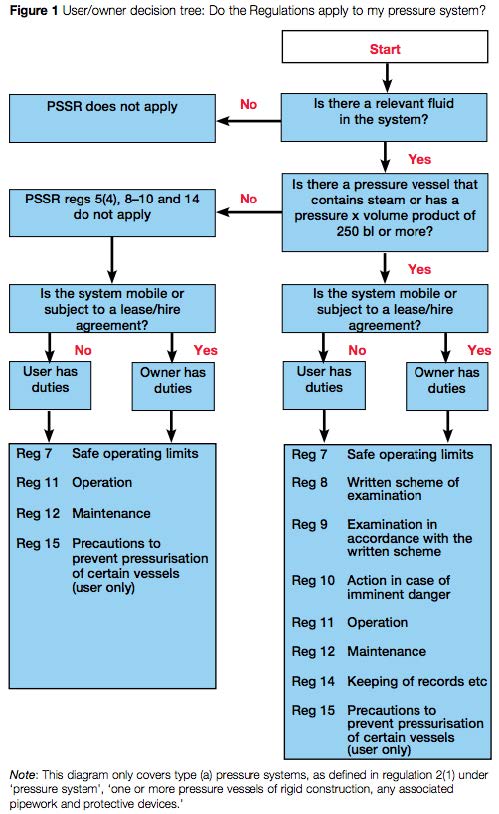
What are the PSSRs and what do they cover? The Pressure Systems Safety Regulations 2000 (PSSR) cover the safe design and use of pressure systems with the aim to prevent serious injury from the hazard of stored energy (pressure) as a result of the failure of a pressure system or one of its component parts. The regulations are …
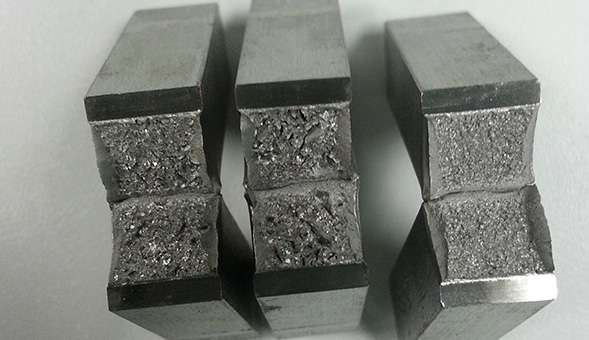
This article ‘Back to basics – Material Properties’ covers the essential properties when considering asset integrity. Material science in itself is a huge subject, with endless reference books and academic courses that cover the subject. Only a high-level understanding will be provided in this article. Stakeholders should be concerned with ensuring pressure equipment is safe to operate and the …
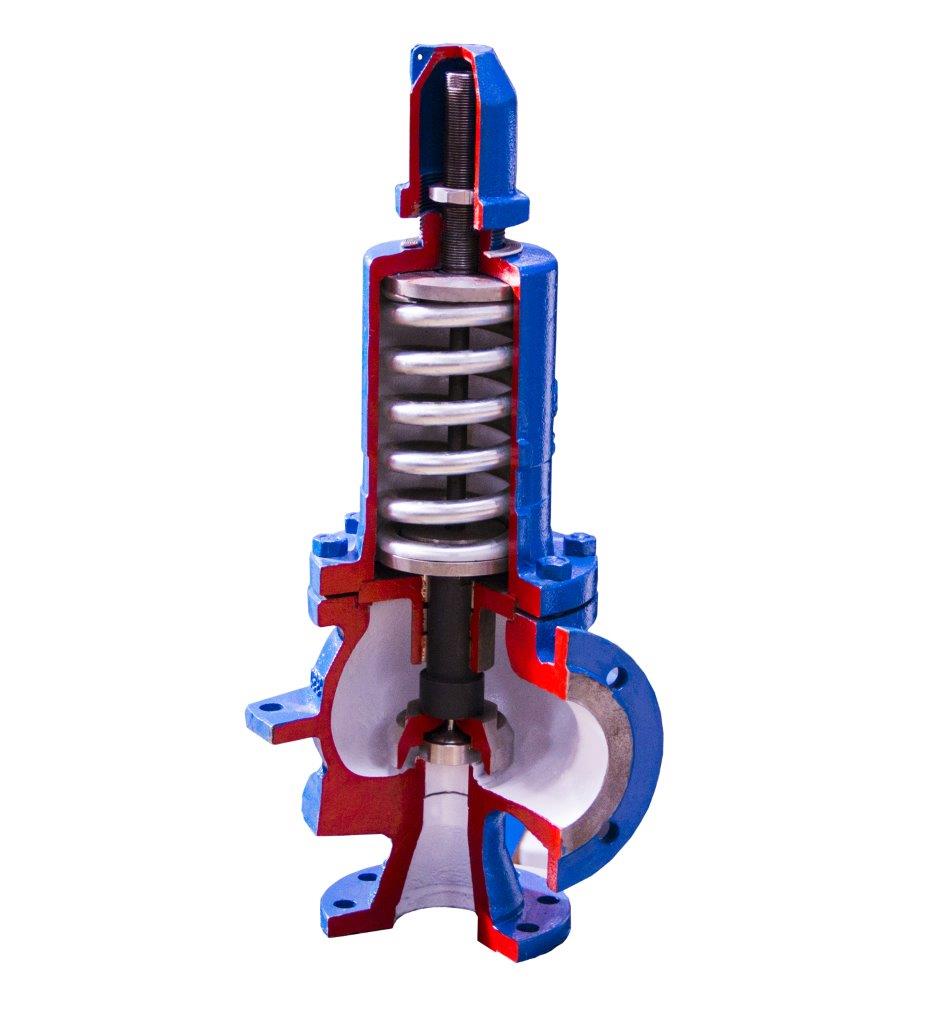
Pressure Relief Valves – Pressure equipment requires protection from over pressurisation. A common way to protect vessels is the installation of a pressure relief valve. A pressure relief device is actuated by inlet static pressure and designed to open during an emergency or abnormal conditions to prevent a rise of internal fluid pressure above the specified design value. This device …

Calculating Branch Connections: ASME B31.3 Para. 304.3.2 – Whenever a branch is added to the main pipe run (header) an opening is created by the removal of a predetermined amount of metal. We use Branch Connections: ASME B31.3 Para. 304.3.2 to consider the design. The header pipe is weakened as the metal removed is no longer there to resist the …