
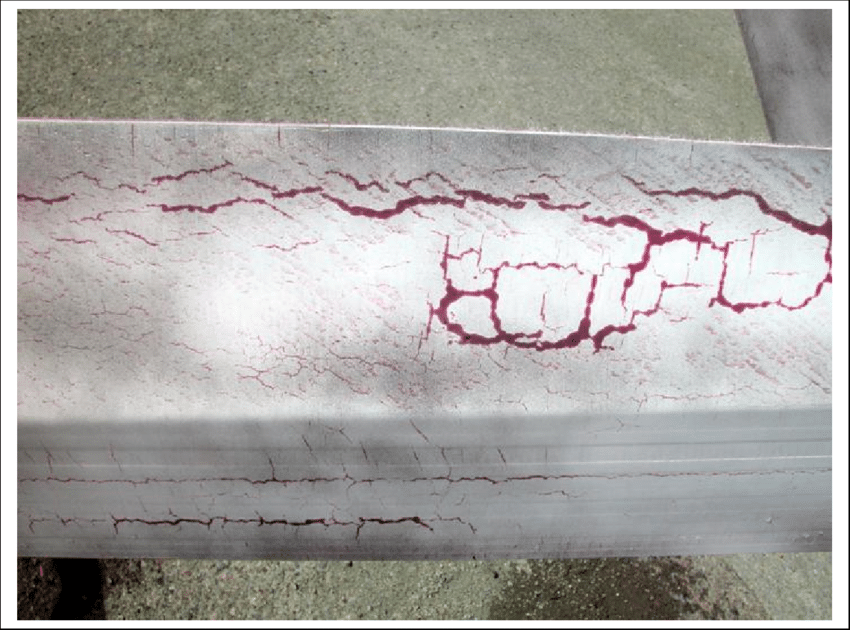
Chloride Stress Corrosion Cracking (SCC) is a type of corrosion that can occur in metal alloys, especially in those that are used in corrosive environments. It occurs when metal components are exposed to both tensile stress and chlorides, forming cracks in the material. The damage caused by Chloride SCC can be severe and can result in material failure, leading to …

Living with weld defects comes as a surprise to many. Construction codes (ASME, EN etc.) are based on years of experience and contain acceptance criteria for materials, design, fabrication, testing and certification. A construction code is not specifically to produce fitness-for-service. Surprised? Here are some examples of when a code-compliant vessel may not be fit-for-service. – The materials …
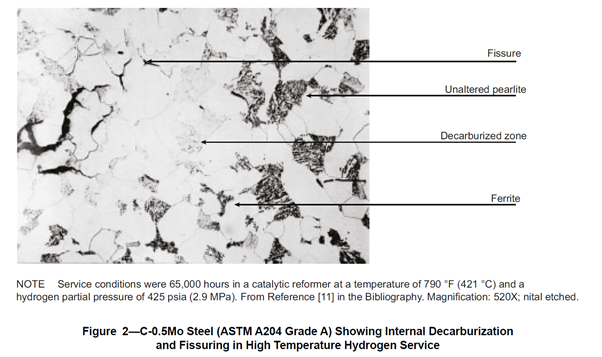
HTHA – A serious threat to pressure equipment integrity. Covered extensively in our API 571 Training Course, we’re often asked about HTHA. When carbon steel is used to manufacture pressure equipment for hydrogen-containing (gaseous or liquid, even when it is a constituent portion of a fluid) service, the service conditions should be limited to avoid High-Temperature Hydrogen Attack (HTHA). …
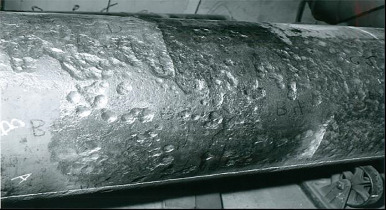
Fitness For Service – non-uniform metal loss. This is the second part in our 3-part Fitness For Service series for the assessment of metal loss using API 579 level 1 methodology. It’s best if you read Part 1 of the series first. Part 1 explains the difference between uniform and non-uniform loss, and addresses how to conduct a level …

The 7-Rules to Follow Most people shy away from choosing a training company as they consider it is something of a shot in the dark. Training companies can be difficult to choose because there are many ways they could try and separate you from your hard-earned cash. There are some things you need to know about picking a training provider. …

The phone rings, my taxi is here. I kiss my family goodbye. My 4 year old runs off to play with something as my impending absence is instantly forgotten about. Unicorns are obviously much more interesting. My wife with a 7-month-old in her arms wishes me a safe journey before closing the door and rushing off to see what that …

What are the PSSRs and what do they cover? The Pressure Systems Safety Regulations 2000 (PSSR) cover the safe design and use of pressure systems with the aim to prevent serious injury from the hazard of stored energy (pressure) as a result of the failure of a pressure system or one of its component parts. The regulations are …

Pressure Relief Valves – Pressure equipment requires protection from over pressurisation. A common way to protect vessels is the installation of a pressure relief valve. A pressure relief device is actuated by inlet static pressure and designed to open during an emergency or abnormal conditions to prevent a rise of internal fluid pressure above the specified design value. This device …

What is stress? Introduction In the most simplistic term, stress is simply a force divided by area. The most common unit we see in pressure equipment codes and standards is pounds per square inch (psi) for those that like imperial (and let’s face it, not many do). Or if you like to use SI units (metric) then we will often …

What is fitness for service? Fitness For Service (FFS) assessments are a set of methods that use quantitative data to determine if a degraded component is fit for continued service at the current operating parameters and to establish the useful remaining life of the component. Some case examples are found in this research paper. It is an analysis that …
- Page 1 of 2
- 1
- 2