

FITNESS FOR SERVICE ASSESSMENTS (FFSAs) UNDERSTANDING THE FOLIAS FACTOR We like to keep things simple on our FFS training courses at Wilkinson Coutts. In FFS codes, the term shells describes pipes, vessels, and tanks collectively. The FOLIAS factor (M) is a critical component in assessing these shells. So, what is it? It’s just a stress concentration factor to acknowledge …
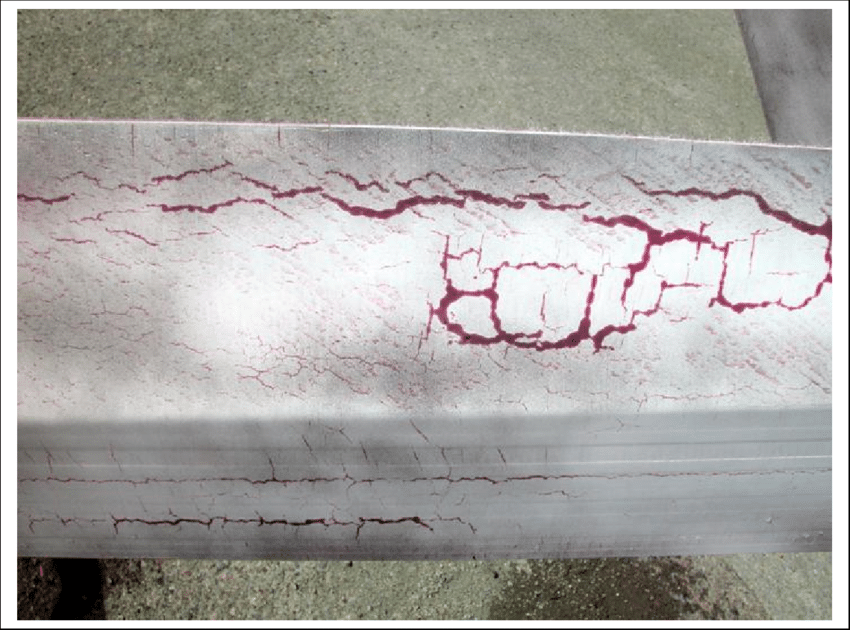
Chloride Stress Corrosion Cracking (SCC) is a type of corrosion that can occur in metal alloys, especially in those that are used in corrosive environments. It occurs when metal components are exposed to both tensile stress and chlorides, forming cracks in the material. The damage caused by Chloride SCC can be severe and can result in material failure, leading to …

When most hear the words Stress Corrosion Cracking (SCC), our minds immediately start thinking of Chloride induced SCC in stainless steels or Sulphide SCC. However, In March 2019, Step Change in Safety issued a Safety Alert about slightly less common phenomena of Methanol Stress Corrosion Cracking in Carbon Steels. The incident occurred on an outlet line from a …

LET’S SAY (just occasionally maybe) that some reports are not as good as they could be. You’ve paid for them (or someone has) and they just don’t give value for money. We’ve designed the Wilkinson Coutts REPORTING MASTERCLASS WORKSHOP to make your reports valuable. Join our 2-day public workshop. We take a maximum of 10 delegates so we can give everyone …
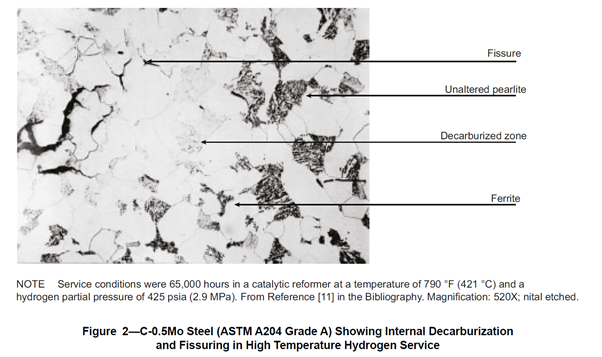
HTHA – A serious threat to pressure equipment integrity. Covered extensively in our API 571 Training Course, we’re often asked about HTHA. When carbon steel is used to manufacture pressure equipment for hydrogen-containing (gaseous or liquid, even when it is a constituent portion of a fluid) service, the service conditions should be limited to avoid High-Temperature Hydrogen Attack (HTHA). …

Sometimes, A Little Change Is A Good Thing Fitness For Service Training – API 579/ASME FFS-1 – must be up there as one of the most comprehensive and helpful resources out there in the world of technical codes and standards. First published in January 2000 it provides the refining and petrochemical industry with various methods for the reliable …

Integrity Matters – New asset integrity magazine Coming in April 2022! We are introducing the NEW magazine for asset integrity professionals and pressure equipment stakeholders. Welcome to ‘Integrity Matters’. Keep abreast with the latest integrity safety alerts worldwide, new approaches to asset integrity, the latest NDE methods, relevant industry news, integrity job boards, technical tuition and much more. Our vision …
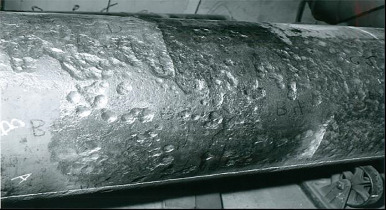
Fitness For Service – non-uniform metal loss. This is the second part in our 3-part Fitness For Service series for the assessment of metal loss using API 579 level 1 methodology. It’s best if you read Part 1 of the series first. Part 1 explains the difference between uniform and non-uniform loss, and addresses how to conduct a level …

The phone rings, my taxi is here. I kiss my family goodbye. My 4 year old runs off to play with something as my impending absence is instantly forgotten about. Unicorns are obviously much more interesting. My wife with a 7-month-old in her arms wishes me a safe journey before closing the door and rushing off to see what that …

What are the PSSRs and what do they cover? The Pressure Systems Safety Regulations 2000 (PSSR) cover the safe design and use of pressure systems with the aim to prevent serious injury from the hazard of stored energy (pressure) as a result of the failure of a pressure system or one of its component parts. The regulations are …
- Page 1 of 2
- 1
- 2