
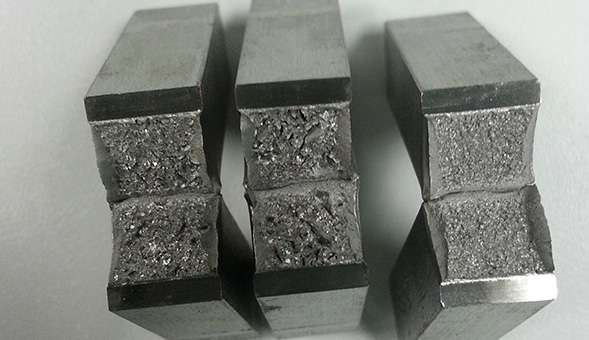
This article ‘Back to basics – Material Properties’ covers the essential properties when considering asset integrity. Material science in itself is a huge subject, with endless reference books and academic courses that cover the subject. Only a high-level understanding will be provided in this article. Stakeholders should be concerned with ensuring pressure equipment is safe to operate and the …
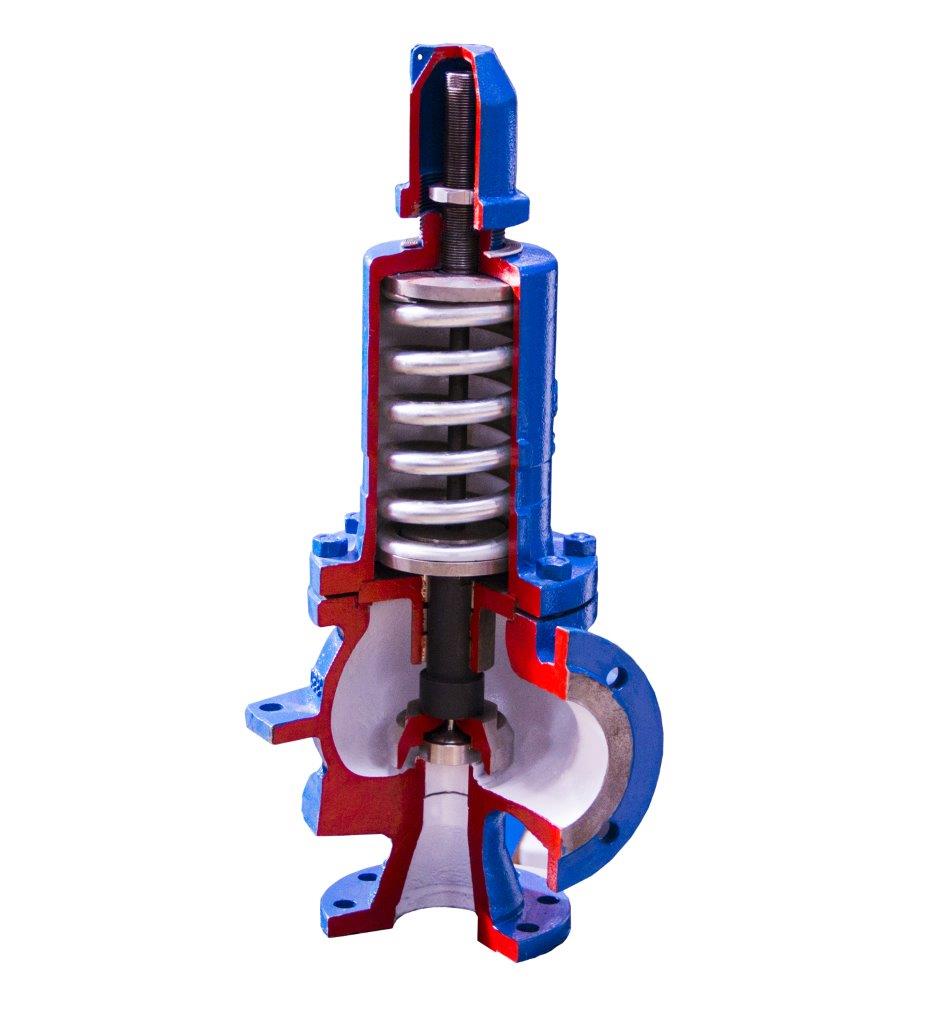
Pressure Relief Valves – Pressure equipment requires protection from over pressurisation. A common way to protect vessels is the installation of a pressure relief valve. A pressure relief device is actuated by inlet static pressure and designed to open during an emergency or abnormal conditions to prevent a rise of internal fluid pressure above the specified design value. This device …

Calculating Branch Connections: ASME B31.3 Para. 304.3.2 – Whenever a branch is added to the main pipe run (header) an opening is created by the removal of a predetermined amount of metal. We use Branch Connections: ASME B31.3 Para. 304.3.2 to consider the design. The header pipe is weakened as the metal removed is no longer there to resist the …

What is stress? Introduction In the most simplistic term, stress is simply a force divided by area. The most common unit we see in pressure equipment codes and standards is pounds per square inch (psi) for those that like imperial (and let’s face it, not many do). Or if you like to use SI units (metric) then we will often …
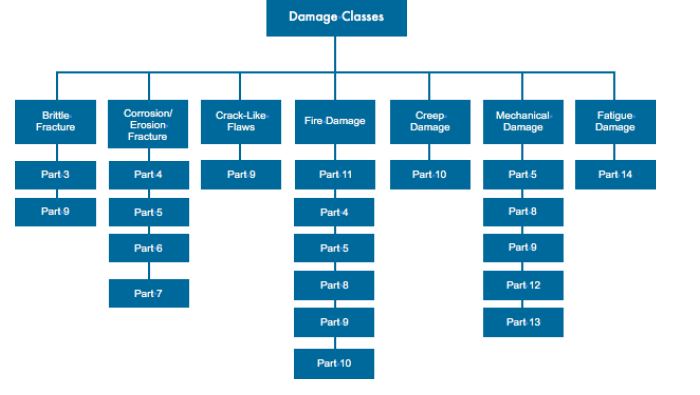
What is fitness for service? Fitness For Service (FFS) assessments are a set of methods that use quantitative data to determine if a degraded component is fit for continued service at the current operating parameters and to establish the useful remaining life of the component. Some case examples are found in this research paper. It is an analysis that …

Difference between accuracy and precision “Degree of accuracy ” The accuracy of a measurement expressed as a proportion (percentage) of the quantity being measured. Thus a measurement of length to the nearest mm, say, has a degree of accuracy of 1% for a length of 100 millimetres, but only 10% for a length of 10cm. Don’t confuse this with …

Codes Standards and Recommended Practices. What’s the difference? First, it’s all about standardisation The idea of published technical documents in the integrity industry, in general, is that they should encourage standardisation of technical approach to things. This infers that multiple parties are involved, all adding their viewpoint, with some system of balloting and adjudication to reach a consensus. Many …
- Page 2 of 2
- 1
- 2