
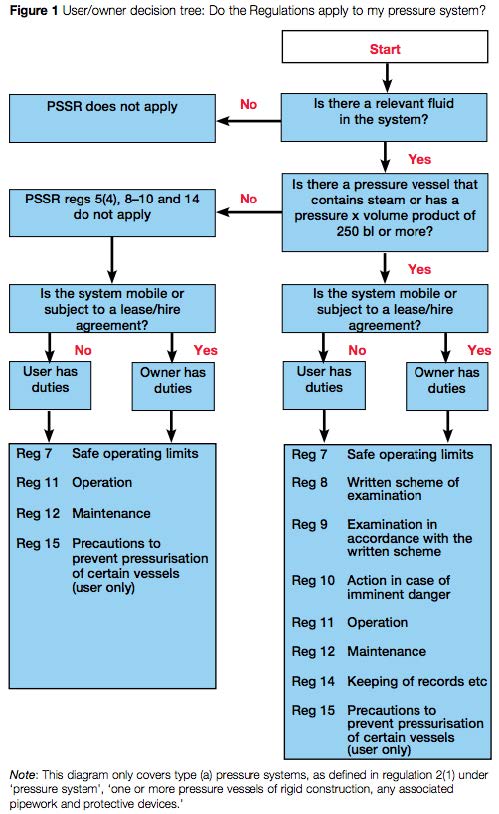
What are the PSSRs and what do they cover? The Pressure Systems Safety Regulations 2000 (PSSR) cover the safe design and use of pressure systems with the aim to prevent serious injury from the hazard of stored energy (pressure) as a result of the failure of a pressure system or one of its component parts. The regulations are …
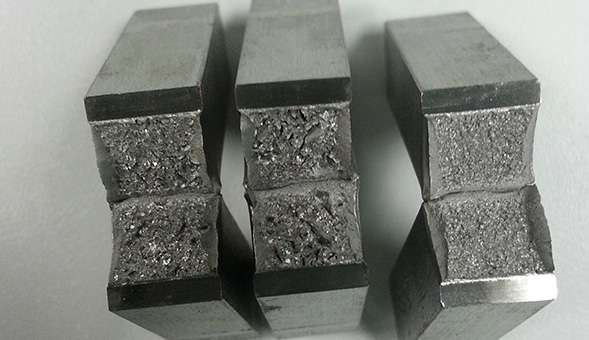
This article ‘Back to basics – Material Properties’ covers the essential properties when considering asset integrity. Material science in itself is a huge subject, with endless reference books and academic courses that cover the subject. Only a high-level understanding will be provided in this article. Stakeholders should be concerned with ensuring pressure equipment is safe to operate and the …
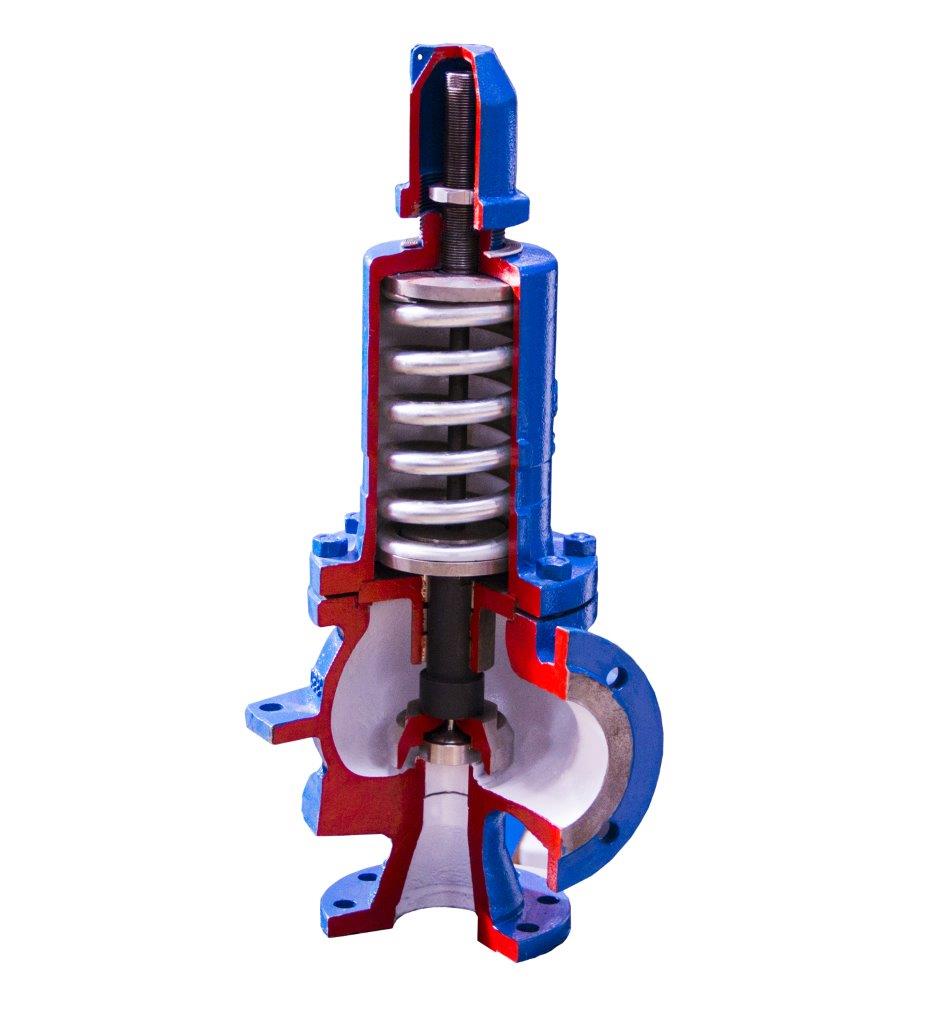
Pressure Relief Valves – Pressure equipment requires protection from over pressurisation. A common way to protect vessels is the installation of a pressure relief valve. A pressure relief device is actuated by inlet static pressure and designed to open during an emergency or abnormal conditions to prevent a rise of internal fluid pressure above the specified design value. This device …
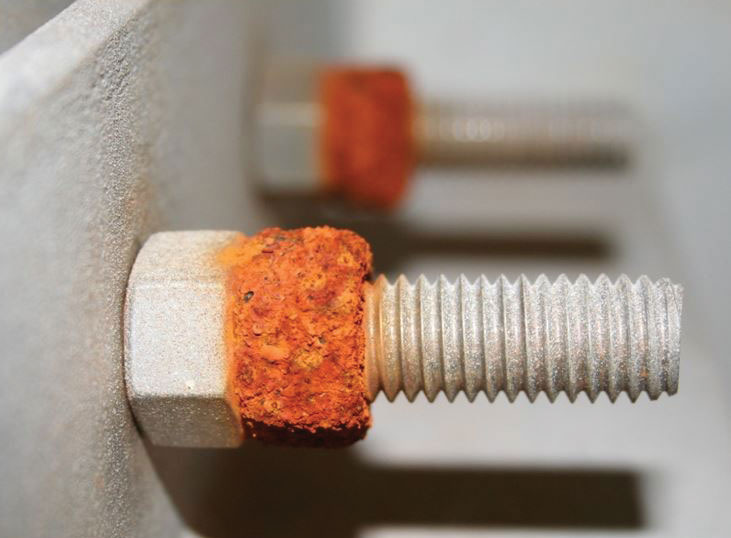
Corrosion Basics Part 1 Salt is bad for your health! – Corrosion basics Definition: Corrosion is the degradation of a metal by its environment–it literally means to “eat-away”. Most metals do not naturally occur as a pure metal. In their natural state, they exist in the form of oxides. These metal oxides (or other metal compounds) must be refined to …

Ductile- brittle transition temperature (DBTT) (Unit K) The temperature below which materials, in laboratory tests at least, are brittle, and above which they are ductile. Body-centred cubic transition metals (such as ferritic steels) are brittle below temperatures of about 0.1 Tm and non-metals and intermetallic compounds below 0.5 Tm where Tm is the absolute melting point. Face-centre cubic materials (such …

Difference between accuracy and precision “Degree of accuracy ” The accuracy of a measurement expressed as a proportion (percentage) of the quantity being measured. Thus a measurement of length to the nearest mm, say, has a degree of accuracy of 1% for a length of 100 millimetres, but only 10% for a length of 10cm. Don’t confuse this with …

API 510 Pressure Vessel Inspector Training – Remaining Life and Intervals What’re the rules on API 510 Inspection Intervals? API 510’s views on most subjects represent common US practice. One of these is the issue of inspection intervals (or periodicity). They are presented in API 510 as maximum inspection intervals and can be replaced by RBI when justified, but …

Codes Standards and Recommended Practices. What’s the difference? First, it’s all about standardisation The idea of published technical documents in the integrity industry, in general, is that they should encourage standardisation of technical approach to things. This infers that multiple parties are involved, all adding their viewpoint, with some system of balloting and adjudication to reach a consensus. Many …

Four Types of API Exam Questions API Certification Exam Questions have a specific style to them. The style is common in the USA and some other places but follows different logic to that seen in many other countries. Here are four types encountered: Verbatim code content questions: These are about some verbatim statement that is made in a code. …
- Page 2 of 2
- 1
- 2