

Navigating Temporary Repairs: Risks and Compliance Essentials Post Construction Codes (PCCs) API 510/570/653 define these as temporary repairs but a feature of ASME PCC-2 is that it provides technical details and leaves the user to decide themselves. What is temporary? There’s no agreed definition of temporary. The nearest is from API codes as ‘to the next maintenance/replacement opportunity’. Temporary …

When most hear the words Stress Corrosion Cracking (SCC), our minds immediately start thinking of Chloride induced SCC in stainless steels or Sulphide SCC. However, In March 2019, Step Change in Safety issued a Safety Alert about slightly less common phenomena of Methanol Stress Corrosion Cracking in Carbon Steels. The incident occurred on an outlet line from a …
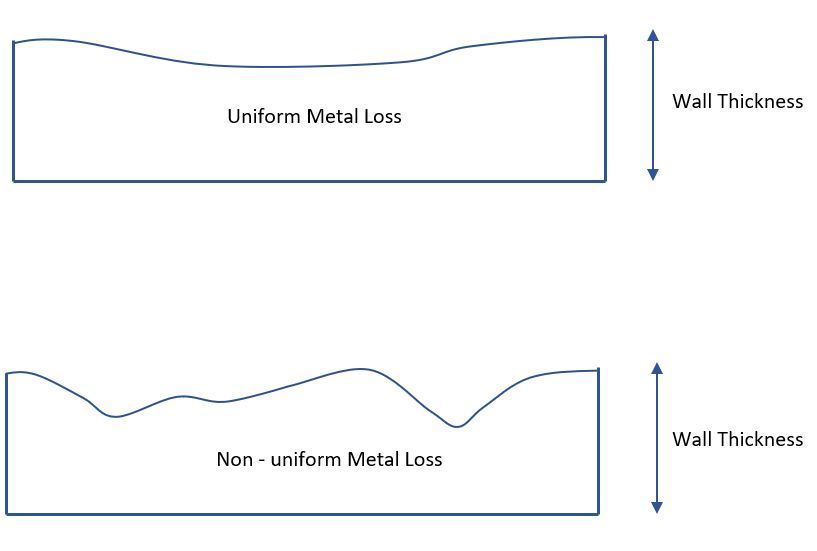
Fitness For Service General Metal Loss One of the most common damage classes (modes) found in static mechanical plant is metal loss. It can be caused by a number of damage mechanisms such as; -Atmospheric corrosion -Erosion -Sulphidation -Corrosion Under Insulation (CUI) -Microbiological Induced Corrosion (MIC) -Under Deposit Corrosion(UDC) -CO2 corrosion There are many more, and these can …
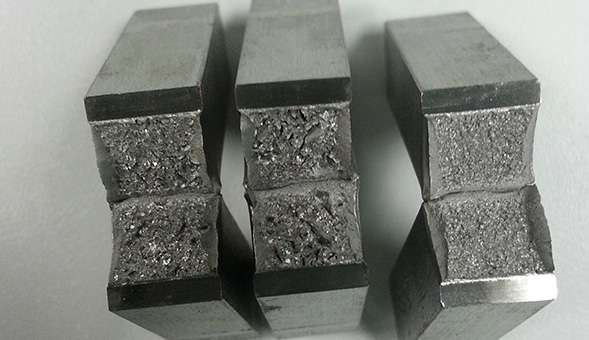
This article ‘Back to basics – Material Properties’ covers the essential properties when considering asset integrity. Material science in itself is a huge subject, with endless reference books and academic courses that cover the subject. Only a high-level understanding will be provided in this article. Stakeholders should be concerned with ensuring pressure equipment is safe to operate and the …
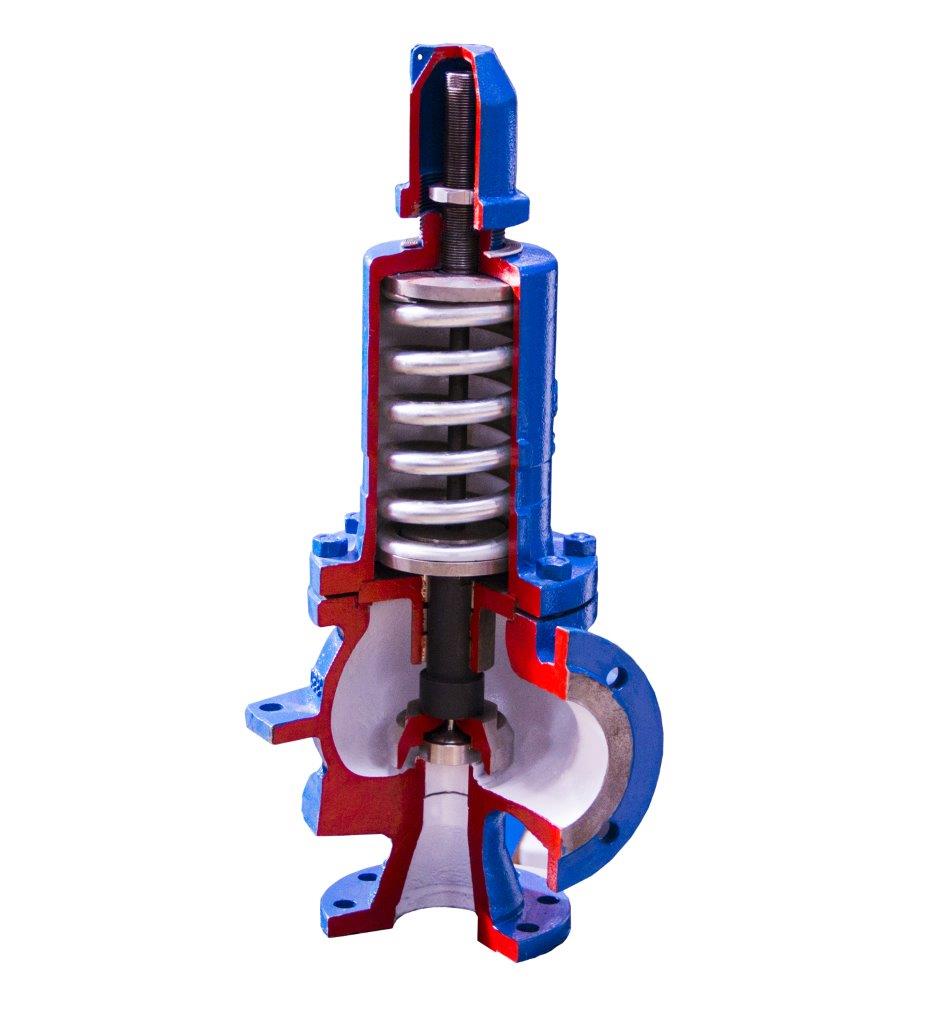
Pressure Relief Valves – Pressure equipment requires protection from over pressurisation. A common way to protect vessels is the installation of a pressure relief valve. A pressure relief device is actuated by inlet static pressure and designed to open during an emergency or abnormal conditions to prevent a rise of internal fluid pressure above the specified design value. This device …

Fracture Mechanics – When does it apply? Fracture Mechanics – When does it apply? A question we are often asked. There are two approaches to design. Many pressure equipment design codes use the traditional ‘strength of materials’ approach. Ask an API 510, API 570 or ASME level 2 Plant Inspector how to calculate the required wall thickness of a …

Ductile- brittle transition temperature (DBTT) (Unit K) The temperature below which materials, in laboratory tests at least, are brittle, and above which they are ductile. Body-centred cubic transition metals (such as ferritic steels) are brittle below temperatures of about 0.1 Tm and non-metals and intermetallic compounds below 0.5 Tm where Tm is the absolute melting point. Face-centre cubic materials (such …

Codes Standards and Recommended Practices. What’s the difference? First, it’s all about standardisation The idea of published technical documents in the integrity industry, in general, is that they should encourage standardisation of technical approach to things. This infers that multiple parties are involved, all adding their viewpoint, with some system of balloting and adjudication to reach a consensus. Many …