

Ensuring the Integrity of Low-Pressure Vessels: Lessons from the Yenkin-Majestic Incident In this short article, I dive into the catastrophic failure at the Yenkin-Majestic resin plant, where poor design, inadequate pressure testing, and a failure to adhere to crucial safety codes led to a tragic explosion. This incident highlights the critical importance of ensuring that even low-pressure vessels are designed …

FITNESS FOR SERVICE ASSESSMENTS (FFSAs) UNDERSTANDING THE FOLIAS FACTOR We like to keep things simple on our FFS training courses at Wilkinson Coutts. In FFS codes, the term shells describes pipes, vessels, and tanks collectively. The FOLIAS factor (M) is a critical component in assessing these shells. So, what is it? It’s just a stress concentration factor to acknowledge …

A-Z of Pressure Equipment Integrity We’re often asked, “What kind of things do your courses cover?” Well, we couldn’t get that all down on here, but here is an A-Z snapshot of some common topics that are covered in our training courses. A – Anodic Protection Anodic protection is a technique used to prevent the corrosion of metal surfaces by …

Sometimes, A Little Change Is A Good Thing Fitness For Service Training – API 579/ASME FFS-1 – must be up there as one of the most comprehensive and helpful resources out there in the world of technical codes and standards. First published in January 2000 it provides the refining and petrochemical industry with various methods for the reliable …

Fitness For Service – Local Metal Loss Level 1 Assessment. Part 3 of our 3 part series takes a look at the assessment of local metal loss. As we discussed in Part 1, there is strictly no definition of what constitutes local metal loss compared to general, so the accepted rule of thumb is to start with a Part 4 …
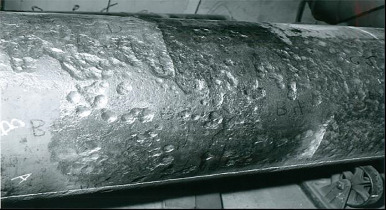
Fitness For Service – non-uniform metal loss. This is the second part in our 3-part Fitness For Service series for the assessment of metal loss using API 579 level 1 methodology. It’s best if you read Part 1 of the series first. Part 1 explains the difference between uniform and non-uniform loss, and addresses how to conduct a level …

The 7-Rules to Follow Most people shy away from choosing a training company as they consider it is something of a shot in the dark. Training companies can be difficult to choose because there are many ways they could try and separate you from your hard-earned cash. There are some things you need to know about picking a training provider. …

The phone rings, my taxi is here. I kiss my family goodbye. My 4 year old runs off to play with something as my impending absence is instantly forgotten about. Unicorns are obviously much more interesting. My wife with a 7-month-old in her arms wishes me a safe journey before closing the door and rushing off to see what that …

What are the PSSRs and what do they cover? The Pressure Systems Safety Regulations 2000 (PSSR) cover the safe design and use of pressure systems with the aim to prevent serious injury from the hazard of stored energy (pressure) as a result of the failure of a pressure system or one of its component parts. The regulations are …

This article ‘Back to basics – Material Properties’ covers the essential properties when considering asset integrity. Material science in itself is a huge subject, with endless reference books and academic courses that cover the subject. Only a high-level understanding will be provided in this article. Stakeholders should be concerned with ensuring pressure equipment is safe to operate and the …
- Page 1 of 2
- 1
- 2