

The phone rings, my taxi is here. I kiss my family goodbye. My 4 year old runs off to play with something as my impending absence is instantly forgotten about. Unicorns are obviously much more interesting. My wife with a 7-month-old in her arms wishes me a safe journey before closing the door and rushing off to see what that …
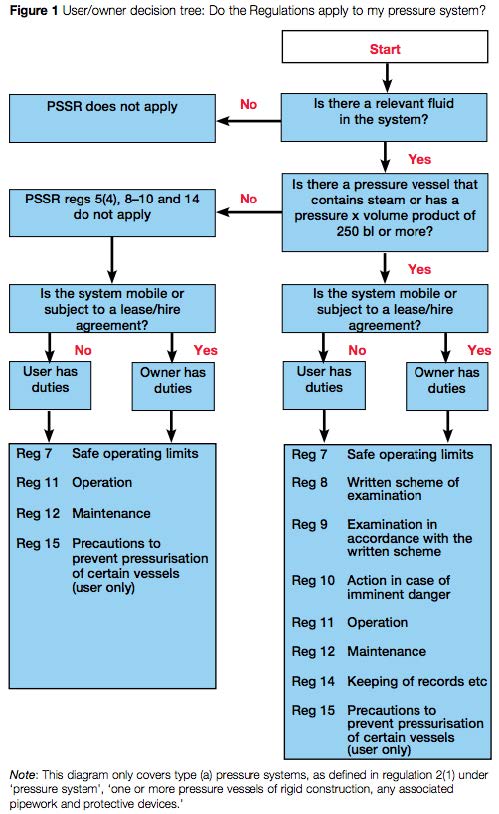
What are the PSSRs and what do they cover? The Pressure Systems Safety Regulations 2000 (PSSR) cover the safe design and use of pressure systems with the aim to prevent serious injury from the hazard of stored energy (pressure) as a result of the failure of a pressure system or one of its component parts. The regulations are …
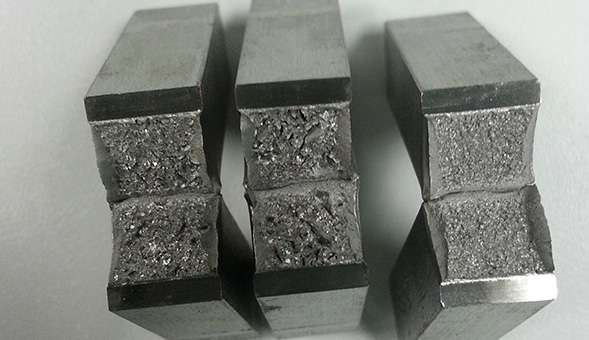
This article ‘Back to basics – Material Properties’ covers the essential properties when considering asset integrity. Material science in itself is a huge subject, with endless reference books and academic courses that cover the subject. Only a high-level understanding will be provided in this article. Stakeholders should be concerned with ensuring pressure equipment is safe to operate and the …
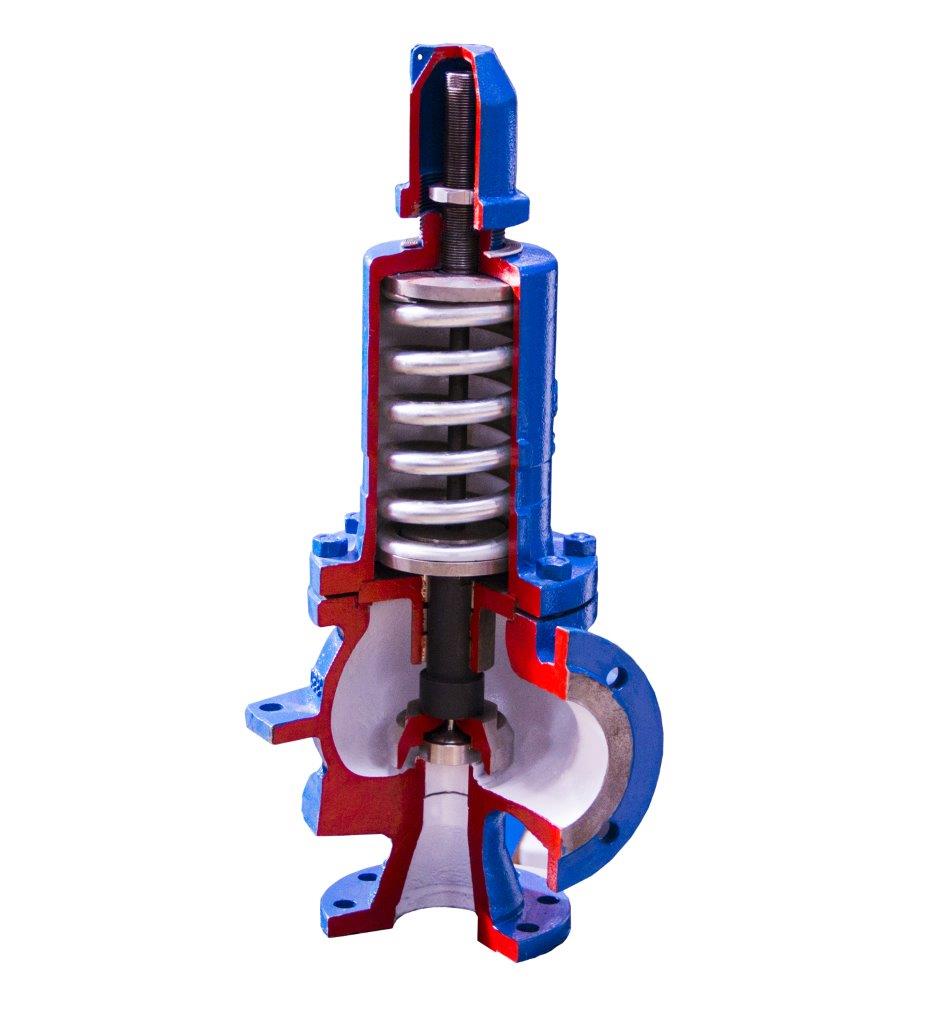
Pressure Relief Valves – Pressure equipment requires protection from over pressurisation. A common way to protect vessels is the installation of a pressure relief valve. A pressure relief device is actuated by inlet static pressure and designed to open during an emergency or abnormal conditions to prevent a rise of internal fluid pressure above the specified design value. This device …

Calculating Branch Connections: ASME B31.3 Para. 304.3.2 – Whenever a branch is added to the main pipe run (header) an opening is created by the removal of a predetermined amount of metal. We use Branch Connections: ASME B31.3 Para. 304.3.2 to consider the design. The header pipe is weakened as the metal removed is no longer there to resist the …

Ductile- brittle transition temperature (DBTT) (Unit K) The temperature below which materials, in laboratory tests at least, are brittle, and above which they are ductile. Body-centred cubic transition metals (such as ferritic steels) are brittle below temperatures of about 0.1 Tm and non-metals and intermetallic compounds below 0.5 Tm where Tm is the absolute melting point. Face-centre cubic materials (such …

Difference between accuracy and precision “Degree of accuracy ” The accuracy of a measurement expressed as a proportion (percentage) of the quantity being measured. Thus a measurement of length to the nearest mm, say, has a degree of accuracy of 1% for a length of 100 millimetres, but only 10% for a length of 10cm. Don’t confuse this with …

ASME PCC 2 Pressure Equipment Repair Appreciation Training Course. – Try the Quiz Repairs to Pressure Equipment: ASME PCC 2 Pressure Equipment Repair and In-Service Repair Codes. In the real world of plant operation, pressure equipment items commonly suffer corrosion, erosion, or mechanical damage and have to be repaired. For equipment built to a pressure equipment code (ASME, …
- Page 2 of 2
- 1
- 2