

Introduction Mechanical integrity is one of the most important barriers between normal refinery operation and a major accident. In simple terms, mechanical integrity is the assurance that pressure equipment, piping, tanks, heaters, valves, flanges, small-bore connections and associated components are suitable for their intended service and remain fit for continued operation. It is not just about inspection. It is not …

Lessons from Silver Eagle: Metallurgical Failure, Inspection Oversight, and the Critical Role of Integrity Planning On 4 November 2009, a catastrophic explosion rocked the Silver Eagle Refinery in Woods Cross, Utah. The source: a sudden and violent rupture of a 10-inch carbon steel discharge line from the South Reactor (R30101) within the Mobil Distillate Dewaxing Unit (MDDW), releasing a large …

Developing a comprehensive inspection plan (WrittenScheme of Examination) for pressure vessels is not just usually a regulatory requirement—it is essential for ensuring the safety, reliability, and longevity of industrial equipment. For those in industries such as oil refining, chemical processing, and petrochemicals, the extreme operating conditions and hazardous materials involved make a well-structured inspection plan critical. This article explores the …

FITNESS FOR SERVICE ASSESSMENTS (FFSAs) UNDERSTANDING THE FOLIAS FACTOR We like to keep things simple on our FFS training courses at Wilkinson Coutts. In FFS codes, the term shells describes pipes, vessels, and tanks collectively. The FOLIAS factor (M) is a critical component in assessing these shells. So, what is it? It’s just a stress concentration factor to acknowledge …
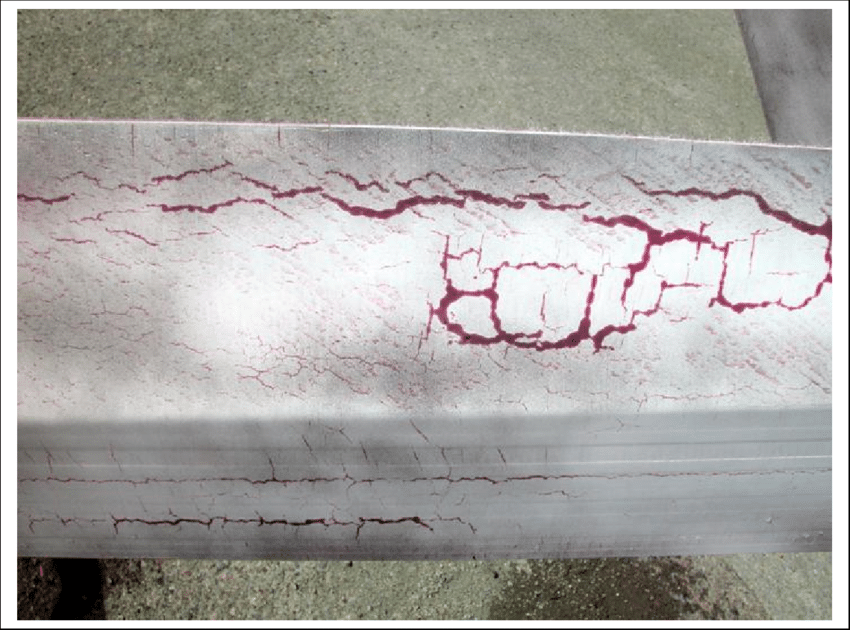
Chloride Stress Corrosion Cracking (SCC) is a type of corrosion that can occur in metal alloys, especially in those that are used in corrosive environments. It occurs when metal components are exposed to both tensile stress and chlorides, forming cracks in the material. The damage caused by Chloride SCC can be severe and can result in material failure, leading to …