

Pitting corrosion poses a serious threat to the integrity of metallic structures, primarily due to its highly localised nature. Unlike uniform corrosion, which affects larger areas more predictably, pitting targets small, concentrated spots on a metal’s surface, leading to the formation of cavities or “pits” that can penetrate deeply into the material. Even when the overall mass loss is minimal, …

Ensuring the Integrity of Low-Pressure Vessels: Lessons from the Yenkin-Majestic Incident In this short article, I dive into the catastrophic failure at the Yenkin-Majestic resin plant, where poor design, inadequate pressure testing, and a failure to adhere to crucial safety codes led to a tragic explosion. This incident highlights the critical importance of ensuring that even low-pressure vessels are designed …

Navigating Temporary Repairs: Risks and Compliance Essentials Post Construction Codes (PCCs) API 510/570/653 define these as temporary repairs but a feature of ASME PCC-2 is that it provides technical details and leaves the user to decide themselves. What is temporary? There’s no agreed definition of temporary. The nearest is from API codes as ‘to the next maintenance/replacement opportunity’. Temporary …
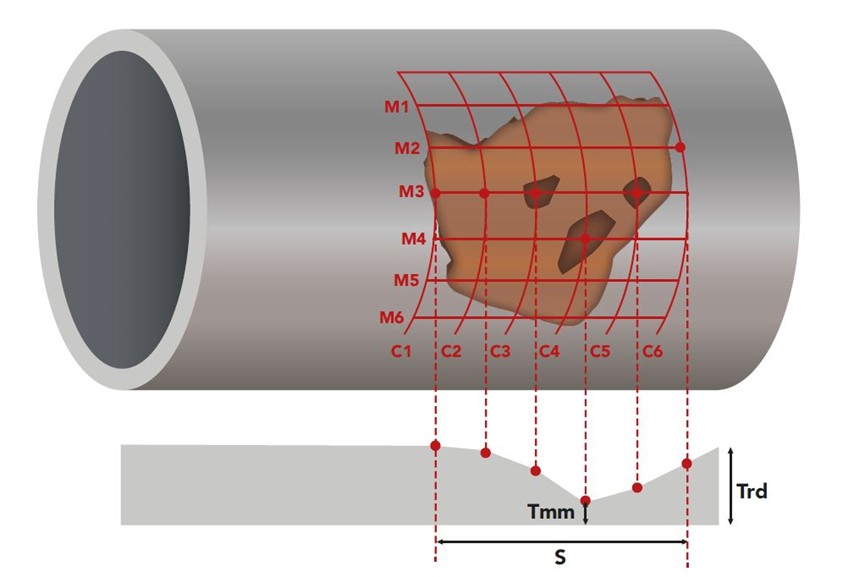
FITNESS FOR SERVICE ASSESSMENTS (FFSAs) R-R-R-R DECISIONS We see lots of FFSAs during our training and consultancy activities at WILKINSON COUTTS. With the best of intentions, things sometimes get more complicated than they need to be. Let’s simplify things…. There are only possible output decisions of a FFSA, as shown in table 1 below; Run (as-is) Re-rate Repair Replace …
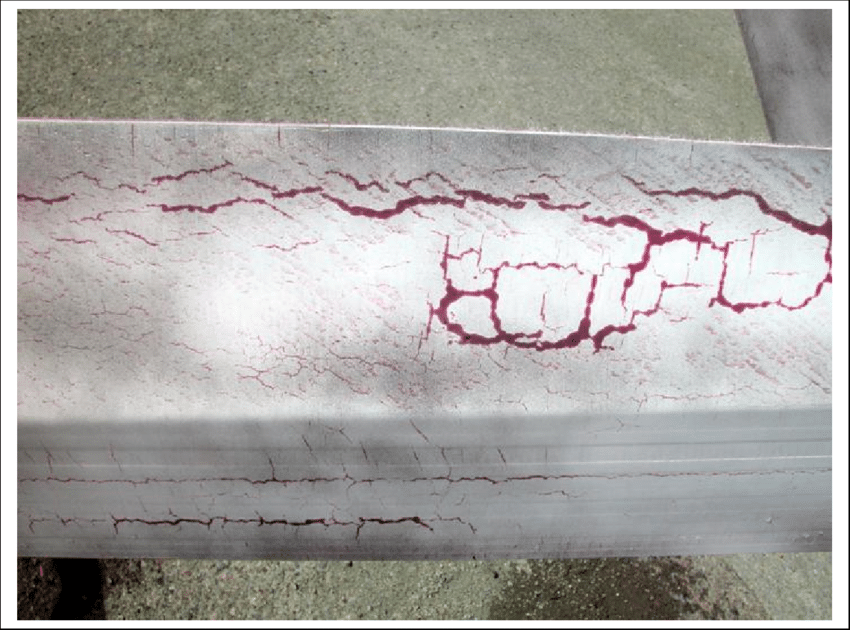
Chloride Stress Corrosion Cracking (SCC) is a type of corrosion that can occur in metal alloys, especially in those that are used in corrosive environments. It occurs when metal components are exposed to both tensile stress and chlorides, forming cracks in the material. The damage caused by Chloride SCC can be severe and can result in material failure, leading to …

When most hear the words Stress Corrosion Cracking (SCC), our minds immediately start thinking of Chloride induced SCC in stainless steels or Sulphide SCC. However, In March 2019, Step Change in Safety issued a Safety Alert about slightly less common phenomena of Methanol Stress Corrosion Cracking in Carbon Steels. The incident occurred on an outlet line from a …
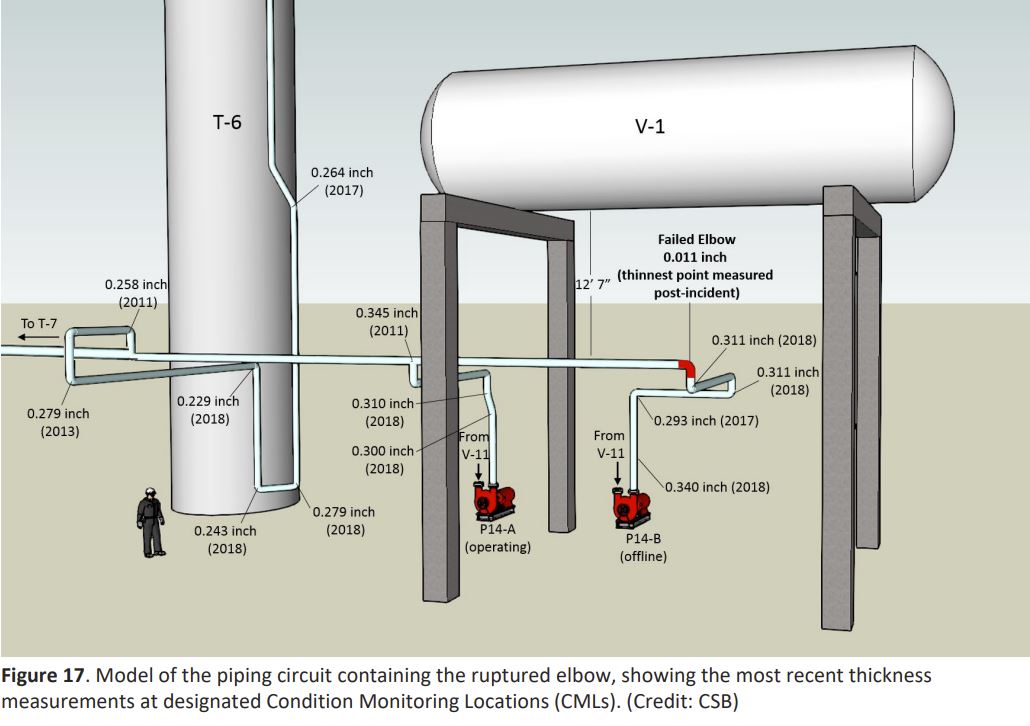
HF Damage Mechanisms – the threat to your assets. The US Chemical Safety and Hazard Investigation Board have issued the final report on a significant fire and related explosions that occurred in June 2019 at the Philadelphia Energy Solutions (PES) Refinery in Philadelphia, Pennsylvania (CSB). The cause of the accident, which shut down a refinery that could produce …

LET’S SAY (just occasionally maybe) that some reports are not as good as they could be. You’ve paid for them (or someone has) and they just don’t give value for money. We’ve designed the Wilkinson Coutts REPORTING MASTERCLASS WORKSHOP to make your reports valuable. Join our 2-day public workshop. We take a maximum of 10 delegates so we can give everyone …
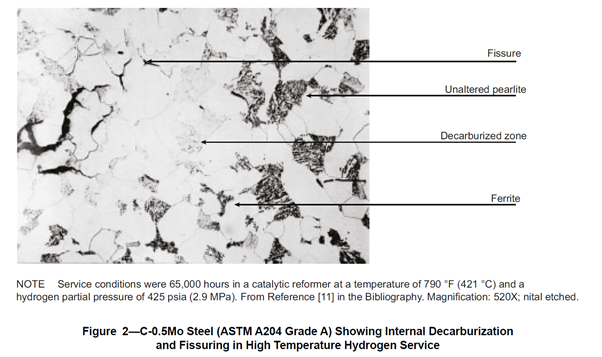
HTHA – A serious threat to pressure equipment integrity. Covered extensively in our API 571 Training Course, we’re often asked about HTHA. When carbon steel is used to manufacture pressure equipment for hydrogen-containing (gaseous or liquid, even when it is a constituent portion of a fluid) service, the service conditions should be limited to avoid High-Temperature Hydrogen Attack (HTHA). …

Sometimes, A Little Change Is A Good Thing Fitness For Service Training – API 579/ASME FFS-1 – must be up there as one of the most comprehensive and helpful resources out there in the world of technical codes and standards. First published in January 2000 it provides the refining and petrochemical industry with various methods for the reliable …