

Ensuring the Integrity of Low-Pressure Vessels: Lessons from the Yenkin-Majestic Incident In this short article, I dive into the catastrophic failure at the Yenkin-Majestic resin plant, where poor design, inadequate pressure testing, and a failure to adhere to crucial safety codes led to a tragic explosion. This incident highlights the critical importance of ensuring that even low-pressure vessels are designed …
FITNESS FOR SERVICE ASSESSMENTS (FFSAs) R-R-R-R DECISIONS We see lots of FFSAs during our training and consultancy activities at WILKINSON COUTTS. With the best of intentions, things sometimes get more complicated than they need to be. Let’s simplify things…. There are only possible output decisions of a FFSA, as shown in table 1 below; Run (as-is) Re-rate Repair Replace …

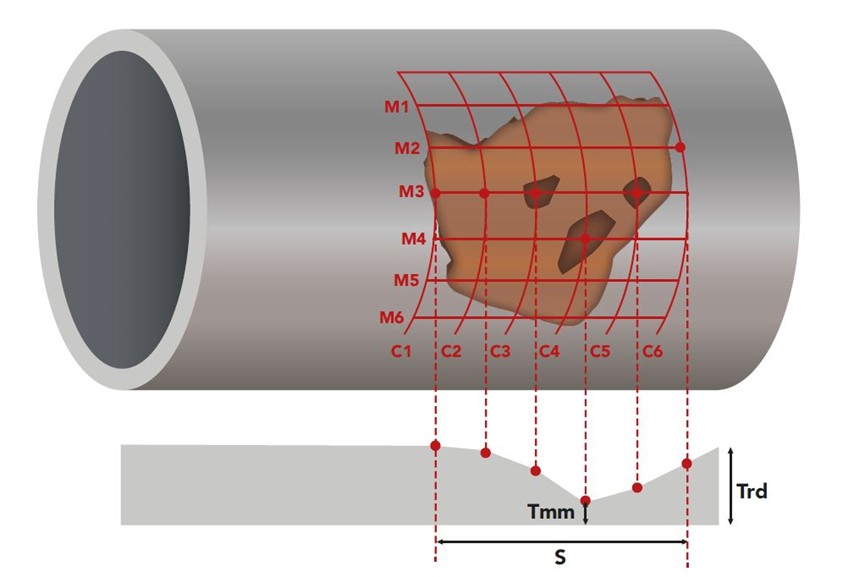
Fitness For Service – Local Metal Loss Level 1 Assessment. Part 3 of our 3 part series takes a look at the assessment of local metal loss. As we discussed in Part 1, there is strictly no definition of what constitutes local metal loss compared to general, so the accepted rule of thumb is to start with a Part 4 …

The 7-Rules to Follow Most people shy away from choosing a training company as they consider it is something of a shot in the dark. Training companies can be difficult to choose because there are many ways they could try and separate you from your hard-earned cash. There are some things you need to know about picking a training provider. …

What are the PSSRs and what do they cover? The Pressure Systems Safety Regulations 2000 (PSSR) cover the safe design and use of pressure systems with the aim to prevent serious injury from the hazard of stored energy (pressure) as a result of the failure of a pressure system or one of its component parts. The regulations are …

This article ‘Back to basics – Material Properties’ covers the essential properties when considering asset integrity. Material science in itself is a huge subject, with endless reference books and academic courses that cover the subject. Only a high-level understanding will be provided in this article. Stakeholders should be concerned with ensuring pressure equipment is safe to operate and the …

Pressure Relief Valves – Pressure equipment requires protection from over pressurisation. A common way to protect vessels is the installation of a pressure relief valve. A pressure relief device is actuated by inlet static pressure and designed to open during an emergency or abnormal conditions to prevent a rise of internal fluid pressure above the specified design value. This device …

Fracture Mechanics – When does it apply? Fracture Mechanics – When does it apply? A question we are often asked. There are two approaches to design. Many pressure equipment design codes use the traditional ‘strength of materials’ approach. Ask an API 510, API 570 or ASME level 2 Plant Inspector how to calculate the required wall thickness of a …

Are you interested in Fitness for Service assessments? Try this question to test your knowledge. The Question Note, there’s only one answer. Fitness-for-Service assessments are carried out on pressure equipment or structural components that are corroded or damaged in some way. Looking at it from a code-related rather than practical viewpoint, what exactly is an integrity assessor trying to do …