

Ensuring the Integrity of Low-Pressure Vessels: Lessons from the Yenkin-Majestic Incident In this short article, I dive into the catastrophic failure at the Yenkin-Majestic resin plant, where poor design, inadequate pressure testing, and a failure to adhere to crucial safety codes led to a tragic explosion. This incident highlights the critical importance of ensuring that even low-pressure vessels are designed …

A-Z of Pressure Equipment Integrity We’re often asked, “What kind of things do your courses cover?” Well, we couldn’t get that all down on here, but here is an A-Z snapshot of some common topics that are covered in our training courses. A – Anodic Protection Anodic protection is a technique used to prevent the corrosion of metal surfaces by …

Navigating Temporary Repairs: Risks and Compliance Essentials Post Construction Codes (PCCs) API 510/570/653 define these as temporary repairs but a feature of ASME PCC-2 is that it provides technical details and leaves the user to decide themselves. What is temporary? There’s no agreed definition of temporary. The nearest is from API codes as ‘to the next maintenance/replacement opportunity’. Temporary …

What is Patina? Patina is a layer of corrosion that forms on the surface of metal objects, particularly those made of copper, brass, bronze, and other metal alloys. Patina is formed by a combination of chemical and physical processes, including oxidation, corrosion, and the accumulation of pollutants and other substances on the metal surface. Patina can have a variety of …
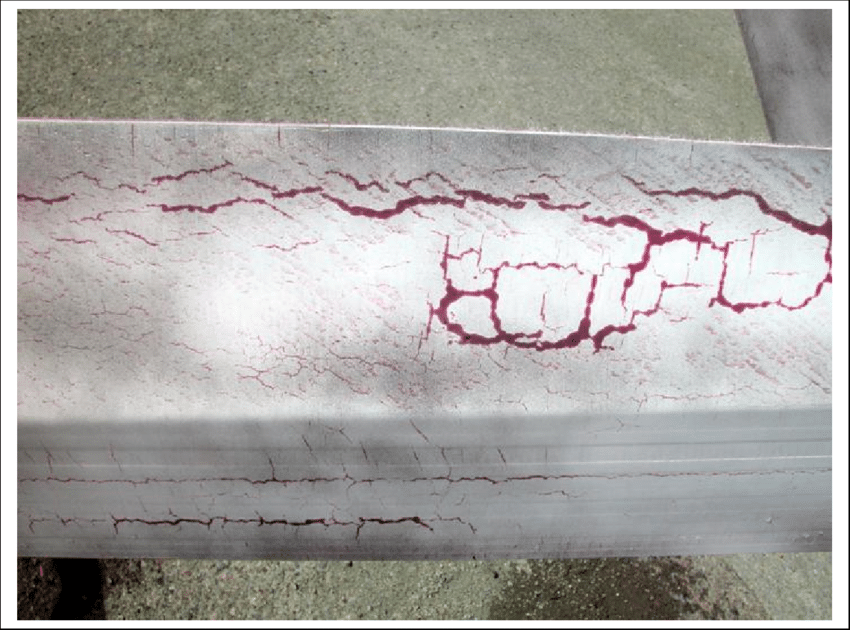
Chloride Stress Corrosion Cracking (SCC) is a type of corrosion that can occur in metal alloys, especially in those that are used in corrosive environments. It occurs when metal components are exposed to both tensile stress and chlorides, forming cracks in the material. The damage caused by Chloride SCC can be severe and can result in material failure, leading to …

When most hear the words Stress Corrosion Cracking (SCC), our minds immediately start thinking of Chloride induced SCC in stainless steels or Sulphide SCC. However, In March 2019, Step Change in Safety issued a Safety Alert about slightly less common phenomena of Methanol Stress Corrosion Cracking in Carbon Steels. The incident occurred on an outlet line from a …

The scholarship is back! As our last winners near the end of their training programme, we’ve decided to launch this successful programme again in 2023! The info is in the flyer, but anyone undertaking their ASME Plant Inspector Level 1 course in 2023, either via e-learning or classroom delivery, has the chance to win an incredible opportunity to enhance their …

LET’S SAY (just occasionally maybe) that some reports are not as good as they could be. You’ve paid for them (or someone has) and they just don’t give value for money. We’ve designed the Wilkinson Coutts REPORTING MASTERCLASS WORKSHOP to make your reports valuable. Join our 2-day public workshop. We take a maximum of 10 delegates so we can give everyone …

Sometimes, A Little Change Is A Good Thing Fitness For Service Training – API 579/ASME FFS-1 – must be up there as one of the most comprehensive and helpful resources out there in the world of technical codes and standards. First published in January 2000 it provides the refining and petrochemical industry with various methods for the reliable …

Integrity Matters – New asset integrity magazine Coming in April 2022! We are introducing the NEW magazine for asset integrity professionals and pressure equipment stakeholders. Welcome to ‘Integrity Matters’. Keep abreast with the latest integrity safety alerts worldwide, new approaches to asset integrity, the latest NDE methods, relevant industry news, integrity job boards, technical tuition and much more. Our vision …
- Page 1 of 2
- 1
- 2